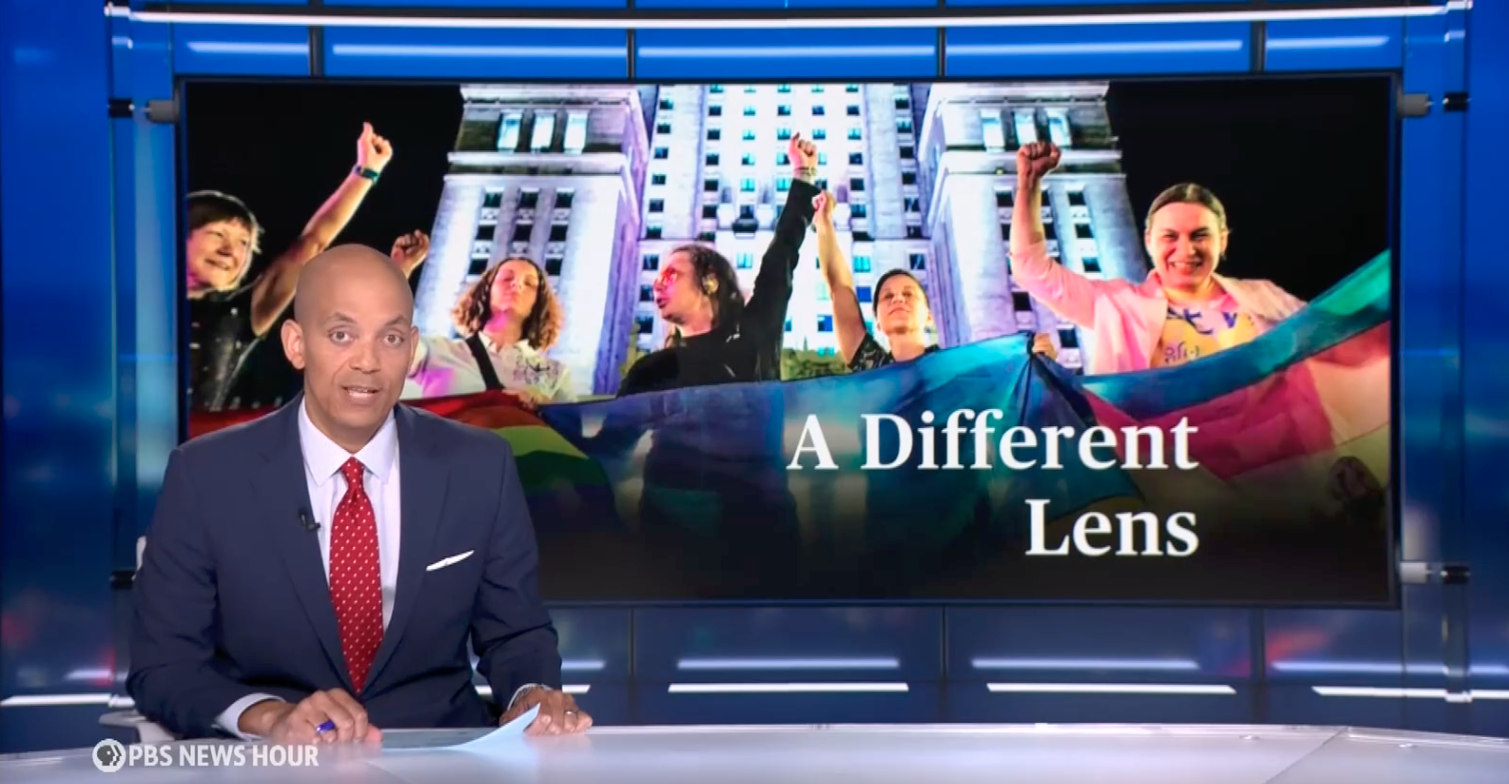
Thanks to PBS's The NewsHour for featuring The Queer Face of War. You can watch the segment here.

NLGJA: The National Association of LGBTQ+ Journalists recognized The Queer Face of War with the 2026 Excellence in Book Writing award!
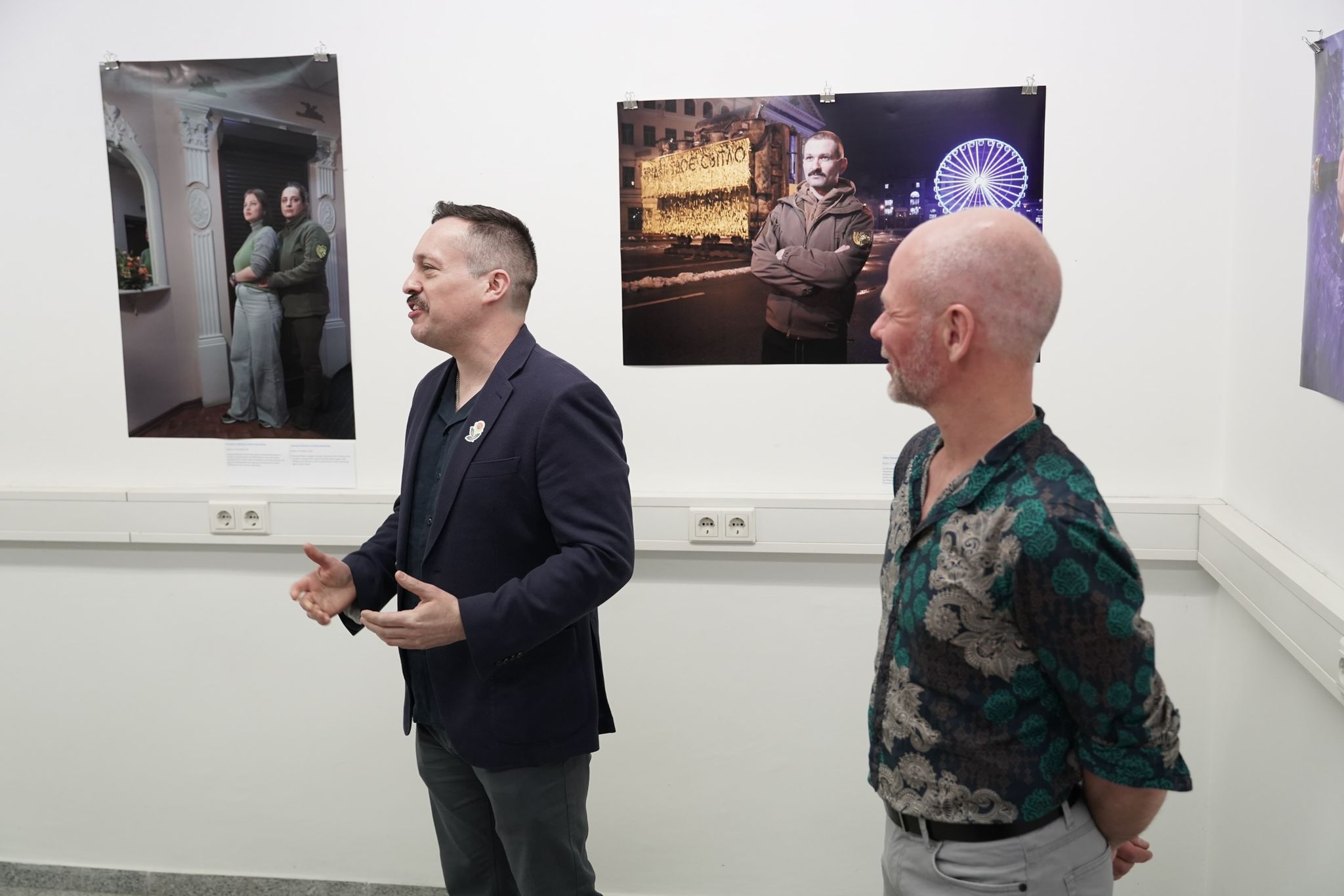
It’s been a truly overwhelming few days launching The Queer Face of War exhibition. Thank you so much to everyone who donated to make this event possible!
Even before we opened, one of Vienna’s leading newspapers, Der Standard, did a beautiful two-page feature for the weekend edition about the project. You can read the online version here (turn on translation to see it in English).
The show not only featured the first large-scale prints from the project, but also premiered a video installation created in collaboration with graphic designer Marcel Wulf. A sound installation by Kyiv sound artist Alice Haspyd, using excerpts from my interviews, ran throughout the gallery. These really helped convey the true scope of the project and bring the subjects of the photos to life.
The exhibition is on view until May 22nd in Vienna, but I head to Berlin next week for an event with the national queer organization LSVD+ and then to Kyiv for another exhibition launch!

After exciting US launches at MoMA PS1 in NYC and Politics and Prose in DC, I've received several amazing invitations to share the work at some of Europe's most important cultural events this summer, including:
Eurovision Song Contest, Vienna: QFW has been selected to be part of Eurovision’s official “Offstage” program, with a gallery show of the work promoted to the thousands who will come to the city for the contest’s finals in May.
Pride Month Exhibition, Kyiv: I’m thrilled to be working with the Ukrainian organizations Insight and LGBTQI+ Military and Veterans for Equal Rights to present a special exhibition of QFW in Kyiv to mark Pride Month in June.
World Pride, Amsterdam: A QFW exhibit will also be featured as part of the World Pride program in Amsterdam at the end of July and beginning of August.
This is an incredible opportunity to build solidarity with Ukraine and queer people everywhere fighting authoritarianism.
But I need your help to make it happen. Most of the costs of the exhibits aren’t covered by the organizers. I need to raise funds to cover expenses like printing and travel costs—which have skyrocketed in recent weeks.
Can you help me raise $5,000 by May 1 to support this trip by donating here?
I’m grateful to the German organization Queer Emergency Aid Ukraine, which has helped organize this tour and is raising an additional $8,000 to share the project across Europe. (If you’re in the EU, donate to their campaign here.)
As always, a portion of funds raised will also go to direct aid for queer people and women in Ukraine.
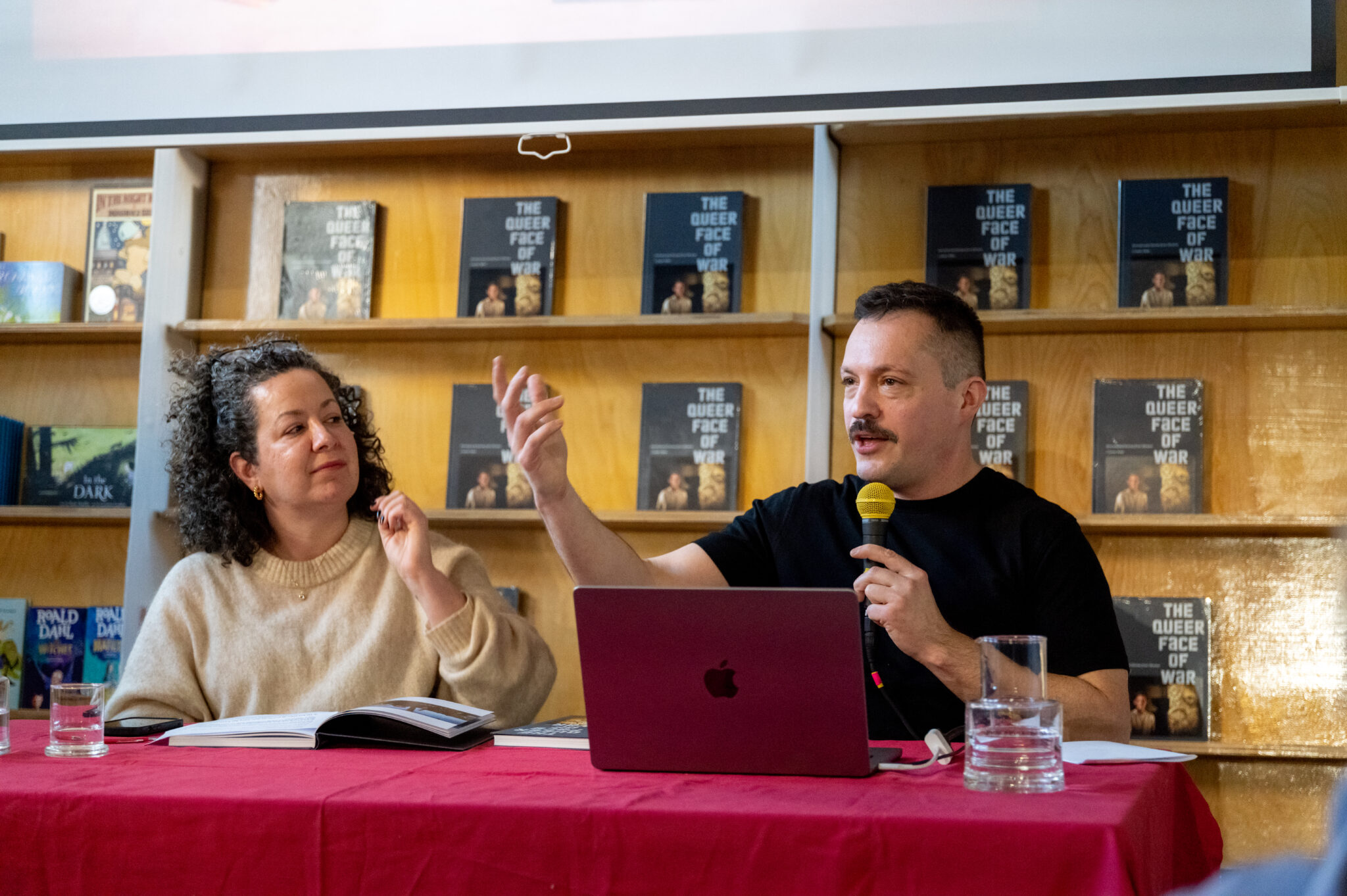
We had a standing-room only crowd for the NYC book launch at the Museum of Modern Art's PS1 on March 14. Thanks to everyone who came out!
It was very special to discuss the work with moderator Miriam Elder, CNN's executive editor for features, who was my editor at BuzzFeed News when I first began reporting on Ukraine in 2013. We discussed how the project came to be, some of the most powerful stories in the book, and why LGBTQ+ Ukrainians have been at the center of a global "Cold War" over human rights for the last decade.
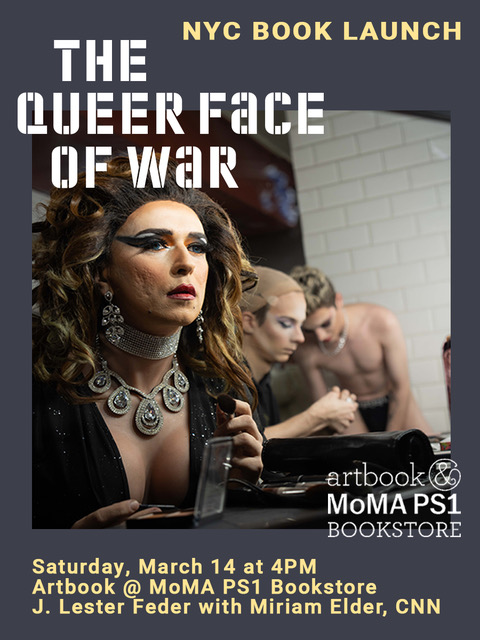
NYC friends! Please join me to launch The Queer Face of War in New York at Artbook at MoMA PS1 in Long Island City, Saturday, March 14, at 4:00 pm. I’ll be in conversation with Miriam Elder, executive editor for features at CNN, followed by a book signing.
You can pre-purchase a copy of the book and RSVP here. Please do that if you’re planning on coming so the bookstore can be sure it has enough copies on hand.
Hope to see you there!
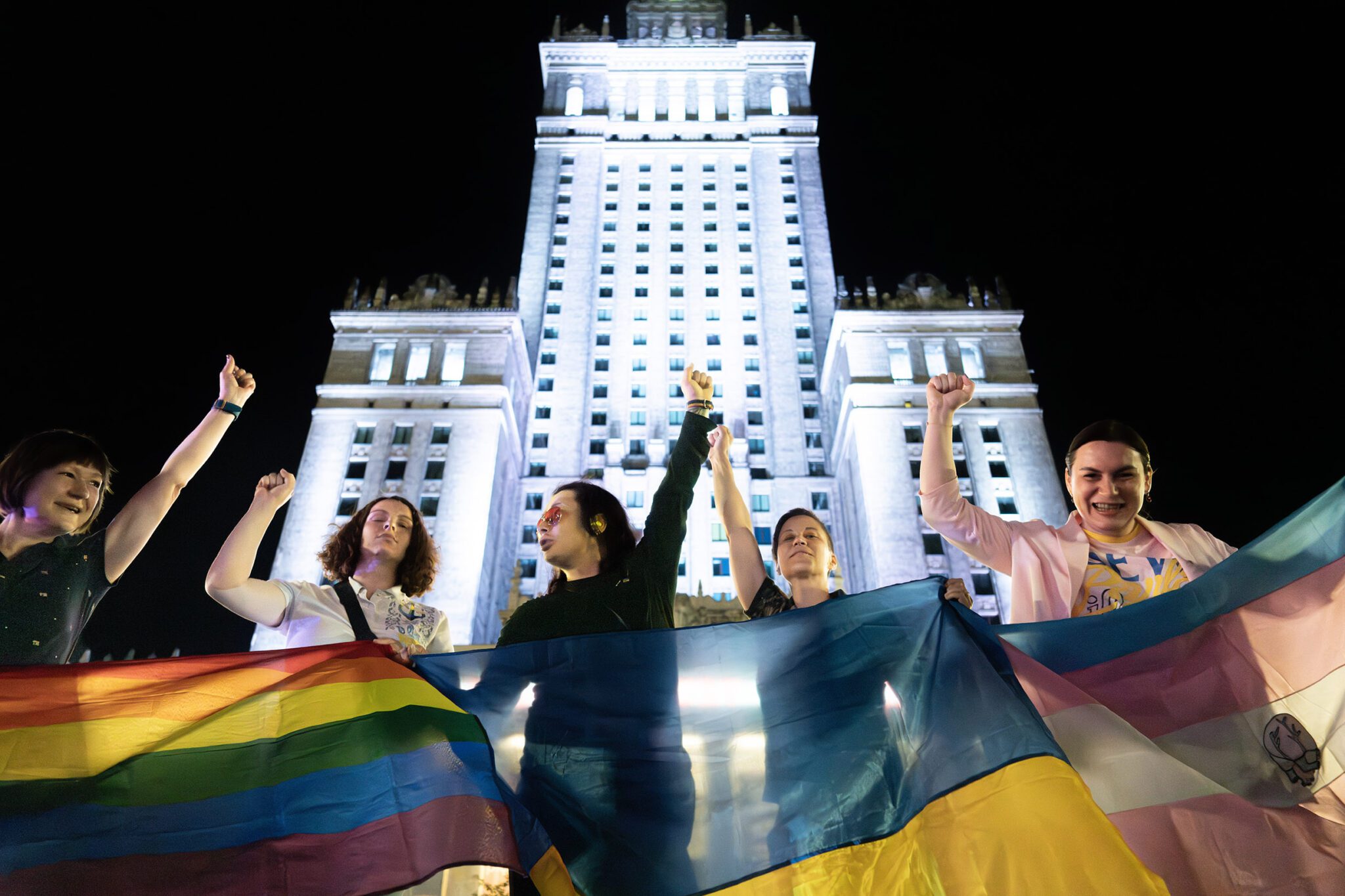
Tuesday, February 24, is the fourth anniversary of Putin’s full-scale invasion of Ukraine.
A lot will be written about the state of the fighting this week, and rightly so. But there’s another event happening this February 24 that will attract far less international attention. A court in Moscow is expected to ban the St. Petersburg LGBTQ+ organization Coming Out as an “extremist organization.” This could subject its leaders to prosecution under the country’s terrorism laws. Coming Out's lawyers told me it’s likely a coincidence that this hearing is being held on the war anniversary. But Russia’s war on Ukraine and its war on its own LGBTQ+ citizens are connected: Putin discovered that homophobia was a powerful tool to crush democracy within and undermine international norms....
On the fourth anniversary of the full-scale invasion, The Blade's Michael Lavers did a nice feature on The Queer Face of War. You can read it here.

Today, The Queer Face of War is published in the United States and globally. Here's how to order.
As debates over democracy, human rights, and authoritarianism intensify worldwide, Ukraine has become a frontline—not only militarily, but ideologically.
This book documents how queer Ukrainians experienced Russia’s invasion, and how homophobia was deliberately weaponized as part of that war. It also shows something else: how visibility, even under fire, becomes a form of resistance.
The book arrives at a precarious moment. As the war enters its fourth year. Russia’s hitting Ukraine harder than ever, international attention has drifted, and conservative politicians in Ukraine are making a push to reverse public support for same-sex partnerships. The people in these pages are still in danger and fighting for their rights, while we’re fighting for own democracy in the US. These stories matter even more now than when I first heard them.

Tagesspiegel, one of Berlin's leading newspapers, published a beautiful feature about The Queer Face of War just ahead of its worldwide release next week.
Here's a bit from the intro (translated from German):
The US journalist and photographer J. Lester Feder has reported on the fates of queer people in wars on several occasions, for example in Syria, Iraq, and Afghanistan. But he was never able to use their names or show their faces. This relative invisibility of queer people in war zones often meant that they were overlooked in peacekeeping, humanitarian aid, and legal post-war processes. When Russia began its war against the whole of Ukraine, Feder traveled to the country and neighboring states to interview queer people about their experiences, initially through local NGOs.


